

Last Updated: November 13, 2026
Quick Summary
Mindfulness exercises for emotional overwhelm shift your attention away from the spiral and back to what is happening right now. Fast options include slow breathing with a longer exhale, the 5-4-3-2-1 grounding technique, and short body scans. Start with 60 to 90 seconds and switch techniques if nothing shifts.
- Slow breathing calms a racing mind because a long, slow exhale signals safety to your nervous system.
- The 5-4-3-2-1 technique uses your five senses to pull you into the present moment.
- Consistency beats duration: two minutes of focused attention done often works better than one long session.
- If you feel revved up, start with the body; if you feel numb, start with the senses.
- If a practice leaves you more agitated, stop and switch to something external and physical.
Table of Contents
- Why Emotional Overwhelm Happens and How Mindfulness Helps
- Mindfulness Breathing Exercises to Settle a Racing Mind
- The 5-4-3-2-1 Grounding Technique for the Present Moment
- Mindful Self-Compassion Exercises for Difficult Emotions
- Adapting Mindfulness for Panic, Trauma, and Sensory Sensitivity
- How to Tell Whether a Mindfulness Exercise Is Helping
- Building a Mindfulness Practice That Fits Your Daily Life
- Frequently Asked Questions
Why Emotional Overwhelm Happens and How Mindfulness Helps
Emotional overwhelm is what happens when stress, worry, and difficult emotions pile up faster than your nervous system can process them. Mindfulness exercises for emotional overwhelm work by shifting your attention away from the spiral and back to what is happening right now. (Source: National Center for Complementary and Integrative Health)
That shift is not a small thing. In a 2024 study published in PubMed Central’s mindfulness stress study, participants’ subjective stress scores dropped from 44.6 to 27.2 after a single day of mindfulness training.
Overwhelm is not a character flaw. It is a signal.
When emotions flood in, the thinking part of your brain gets quieter and the alarm system gets louder. For a broader how-to guide, see these effective coping strategies for anxiety.
Below, we’ll show you exactly how to use these techniques when you need them most, starting with the ones that work fastest.
Mindfulness Breathing Exercises to Settle a Racing Mind
Mindfulness breathing exercises are the fastest way to calm a racing mind because slow breathing signals safety to your nervous system. You can do them anywhere, and no one around you will notice.
Diaphragmatic Breathing and Box Breathing
Diaphragmatic breathing means breathing from your belly instead of your chest. Put one hand on your belly. Breathe in through your nose so your hand rises. Exhale slowly.
Box breathing adds structure: inhale for four counts, hold for four, exhale for four, hold for four. Repeat four times.
Working With a Slow Exhale and Breathing Counts
The exhale does most of the work. A long, slow exhale nudges your body toward relaxation.
Try this: inhale for four counts, exhale for six. Count silently. If counting feels stressful, skip the numbers and just focus on the breath leaving your body.
A common mistake is breathing too hard. You are not trying to fill your lungs completely. You are trying to slow down.
The 5-4-3-2-1 Grounding Technique for the Present Moment
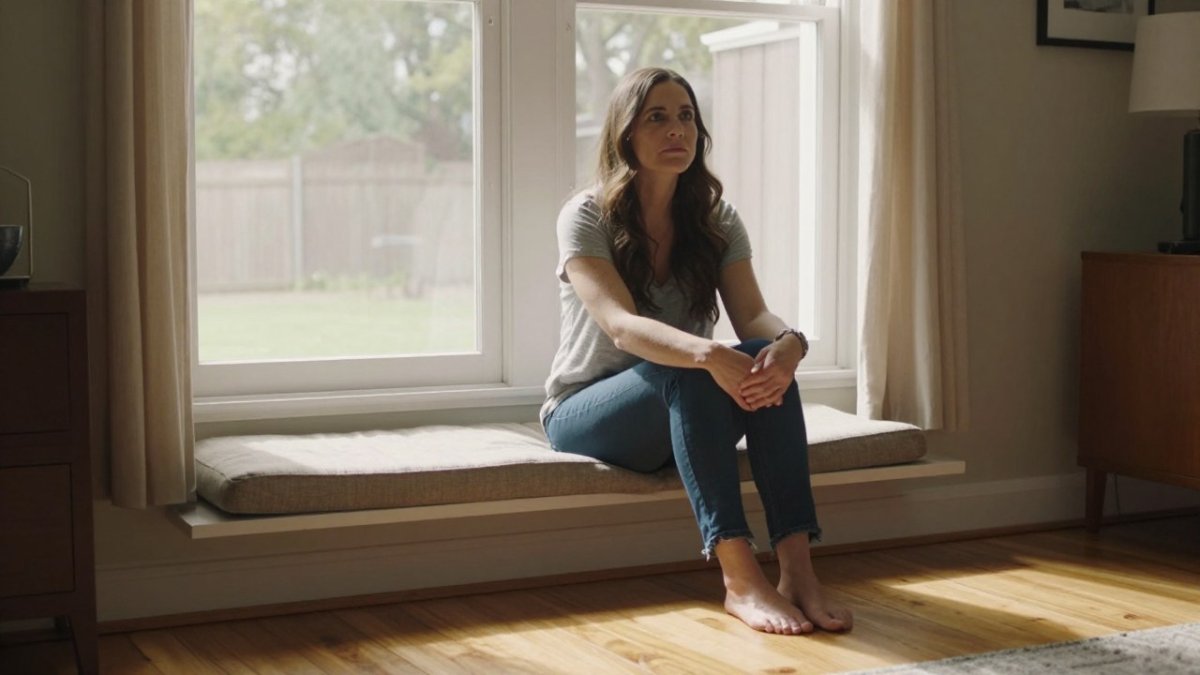
The 5-4-3-2-1 grounding technique pulls you out of overwhelming thoughts and into the present moment using your five senses. It works because your attention cannot be everywhere at once.
(https://www.apa.org/topics/mindfulness/meditation))
Watch out: if a short exercise leaves you more agitated than when you started, stop and switch to something external and physical, like cold water on your wrists or a slow walk, rather than repeating the same practice.
These are the short mindfulness exercises we suggest most often to people who say they have no time. The goal is not to finish a routine.
Mindful Self-Compassion Exercises for Difficult Emotions
Mindful self-compassion exercises change how you relate to difficult emotions. Instead of fighting the feeling, you make room for it.
Try these:
- Place a hand on your chest. Say, “This is hard right now.”
- Name the emotion. “This is worry.” Naming it creates distance.
- Ask what you need. A glass of water? Five minutes outside?
A 2021 study in Social Psychological Bulletin’s study on mindfulness and coping found that a short body-scan exercise supported healthier emotion regulation after a crisis.
For a deeper look at this work, read our guide on how to practice self-compassion during trauma healing.
Adapting Mindfulness for Panic, Trauma, and Sensory Sensitivity
Standard mindfulness instructions do not fit everyone. If you live with panic, trauma, or sensory sensitivity, adapt the exercise instead of forcing it. The reason is mechanical: body-focused practices ask you to turn attention inward, and for some people that inward turn amplifies the very sensations that feel threatening. That does not mean mindfulness is wrong for you. It means the entry point needs to change.
Why Body-Focused Practices Can Backfire
A body scan or breath focus directs attention to physical sensation. For someone with panic, that can read as “checking” for danger and increase arousal. For someone with trauma, closing the eyes or focusing on the chest can bring back intrusive images or a sense of being trapped.
A common pattern is that people blame themselves when a practice feels bad. The more useful read is that the practice was a poor match for that moment, not that you failed at it.
Opt-In Alternatives That Keep You Oriented Outward
If inward-focused practices feel unsafe, start with external anchors instead. These keep your attention on what is around you rather than on what is inside you.
- Keep your eyes open. Closing your eyes can feel unsafe for trauma survivors. Let your gaze rest on a fixed object.
- Ground through sight or sound. Name five things you can see or three things you can hear. External senses are often gentler than internal ones.
- Press your feet into the floor. Physical contact with the ground brings you back without asking you to scan your body.
A Gentle Check-In Before and After
Before you start, rate your distress from 0 to 10 and notice where you feel tension. After 60 to 90 seconds, rate it again. If the number went up, stop and switch to an external anchor. If it went down or stayed the same, you have found something that fits.
Watch out: if a practice makes you feel worse, stop. Discomfort during a calming exercise is a signal, not a test of willpower. Persistent or worsening distress is worth mentioning to a trusted support person or clinician.
If intense emotions are the main struggle, our guide to DBT skills for emotional regulation pairs well with these practices. For trauma triggers in daily life, see ways to cope with trauma triggers.
How to Tell Whether a Mindfulness Exercise Is Helping
A mindfulness exercise is helping if your body settles, your thoughts slow, or you feel a little more room to breathe. Progress is often small and easy to miss.
Signs it is working:
- Your shoulders drop
- Your breathing slows without effort
- You can name what you feel
Signs it is not working yet:
- You feel more agitated afterward
- You cannot focus on the exercise at all
- The practice feels like another chore
Not every technique fits every person. That is normal. Try a different one.
Building a Mindfulness Practice That Fits Your Daily Life
A mindfulness practice sticks when it fits your real life, not an ideal version of it.
Here is a simple weekly starting point:
| Day | Practice | Time |
|---|---|---|
| Monday | Box breathing | 3 minutes |
| Wednesday | 5-4-3-2-1 grounding | 2 minutes |
| Friday | Body scan | 5 minutes |
| Weekend | Mindful walk | 10 minutes |
Time
Anchor each practice to something you already do. Breathing before your morning coffee.
The real difference between a practice that lasts and one that fades comes down to permission.
If you want a supportive space to build this work with a professional, explore individual therapy at Zen Horizons.
Overwhelm will still show up. The goal is not to eliminate it.
Frequently Asked Questions
What mindfulness exercises can help when you feel emotionally overwhelmed?
Start with something simple and physical. Mindfulness breathing exercises such as box breathing or a slow exhale give your body a clear signal to settle. The 5-4-3-2-1 grounding technique works well when your thoughts are racing, because naming what you see, hear, touch, smell, and taste pulls attention back to the present moment. A short body scan also helps you notice where tension sits without trying to fix it. Pick one practice, do it for two or three minutes, and notice what shifts.
What should I do if mindfulness makes me feel more overwhelmed?
That reaction is more common than people expect, especially for anyone with trauma or panic history. Sitting with closed eyes and quiet can bring difficult sensations forward. Try opening your eyes, keeping your feet pressed into the floor, and using an external anchor like the 5-4-3-2-1 technique instead of breath focus. Short mindfulness exercises of 60 to 90 seconds are easier to tolerate than long sits. If overwhelm keeps rising, stop and return to an ordinary task. A qualified professional can help you adapt the practice safely.
How long should a mindfulness exercise take?
For acute overwhelm, shorter is usually better. Brief mindfulness practice can help you feel a difference in stress without long sessions. Two to five minutes of mindful breathing or grounding is enough to interrupt a stress spike. For ongoing emotional health, shorter daily practice tends to stick better than occasional long sessions. Consistency matters more than duration.
Can breathing exercises help with emotional overwhelm?
Yes. Slow breathing, especially with a longer exhale than inhale, gives your nervous system a physical cue to downshift. Diaphragmatic breathing and box breathing are the two most accessible options, and both can be done anywhere without anyone noticing. Pair the breath with a simple count, such as inhaling for four and exhaling for six, and repeat for a minute. Brief body-based practices may support adaptive coping after a stressful moment.